
Coil weight
500 kg to 9,000 kg per coil (typical mill range; confirm at enquiry)
Product
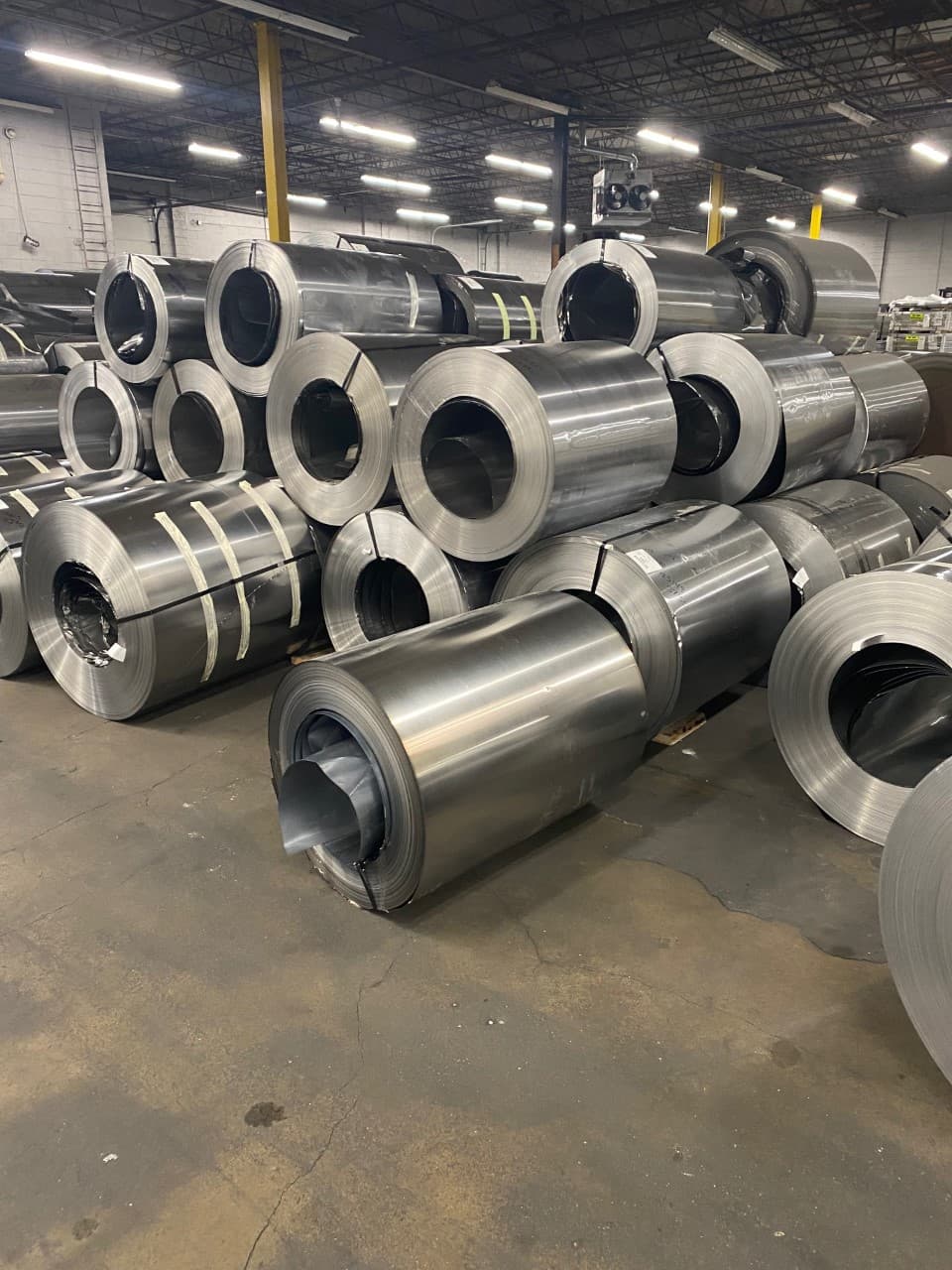
Tin-free steel (TFS), also sold as electrolytic chromium-coated steel (ECCS), is low-carbon strip with a chrome-based surface instead of tin. It is widely used for beverage and food metal packaging where your brand and converter spec allow chrome chemistry. We source sheet or coil to match presses, bodymakers, and end lines, with mill certificates aligned to your import file. Availability and pedigree vary by origin and temper. Share gauge, width, DRD or DWI intent, and coating class so we can match offers to your line.
Indicative ranges we see on mill lists. Temper, surface, and chrome system are confirmed against your enquiry and certificate. Pricing moves with substrate, coating build, origin, and tonnage. Ask for current mill-backed numbers.
Coil weight
HS Code
Packaging
Product names
Product type
Surface & coating
Thickness
Width
Standards (examples)
Surface finish
Temper reference (principal grades)
T1-T5 (mostly SR) and DR7.5-DR9 (DR). Packaging mills often use the same T/DR naming for ECCS/TFS as for tinplate; Feel & typical use is plain language; other columns are typical EN, anneal, yield, Rockwell.
| Grade | Feel & typical use | Typical EN 10202 | Anneal | SR / DR | Yield (MPa) | Rockwell 30-T |
|---|---|---|---|---|---|---|
| T1 | Softest, light draw. Bakeware, shallow pressings. | TS230 | BA | SR | 230 | 46-52 |
| T2 | Soft-medium, commercial line. Routine food cans. | TS245 | BA | SR | 245 | 50-56 |
| T3 | Medium stiffness. General-purpose can bodies. | TS275 | BA | SR | 275 | 54-60 |
| T4 | Firmer, moderate deep draw. Aerosol tops, stiffer sections. | TS290 / TH415 | BA / CA | SR | 290 / 415 | 58-64 |
| T5 | Harder SR, stiff. Ends, crowns, heavy presswork. | TH435 | CA | SR | 435 | 62-68 |
| DR7.5 | Thin stiff DR body. 3-piece can bodies, light gauge. | TH520 | BA / CA | DR | 520 | - |
| DR8 | Very stiff DR. Bodies, tabstock, some aerosol parts. | TH550 | BA / CA | DR | 550 | 73 |
| DR8.5 | Extra stiff DR. Twist-off caps, drawn shells. | TH580 | CA | DR | 580 | - |
| DR9 | Stiffest DR. Ends, high-strength closures. | TH620 | CA | DR | 620 | 76 |
Abbreviations
BA batch annealing (coils in a furnace cycle). CA continuous annealing (strip through a line). SR single-reduced: one main cold pass after anneal. DR double-reduced: extra cold rolling for thinner, stiffer strip.
Indicative for packaging temper mapping. Your certificate and mill rules govern. Korea and others may use parallel names (e.g. T-1 to T-5, DR-7 to DR-9).
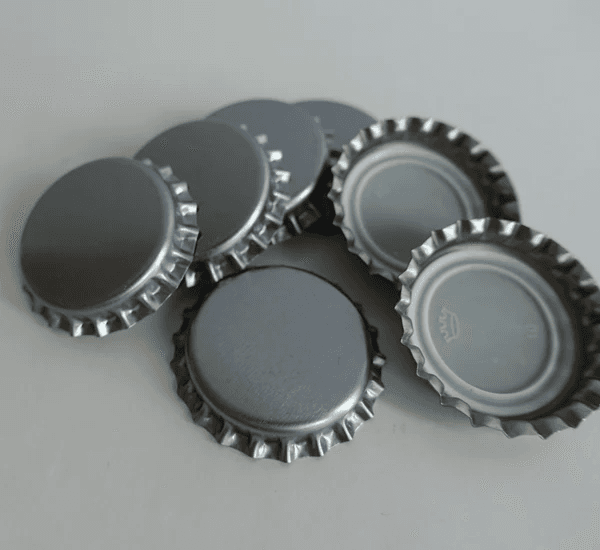
Typical ECCS / TFS placements in the metal packaging chain: DRD and DWI can routes, ends, and food-contact parts where the customer drawing specifies tin-free steel.
Application
ECCS / TFS is used on two-piece and three-piece beverage lines, ends, and food-contact parts where the brand and converter spec allow chrome chemistry (not tin). We align temper, gauge, and width with your line; confirm lacquer, sterilisation, and migration limits with your customer where applicable.
Karachi-based: we align mill fit, specifications, and paperwork for importers and overseas suppliers, without the inbox noise.
For Buyers / Importers
For Suppliers / Exporters
Compare ECCS / TFS (tin-free steel) with ETP (tinplate), with cold rolled (CRC) strip, and with zinc-coated products (GI hot-dip galvanized, GL Galvalume).
| Aspect | TFS (ECCS) | ETP (tinplate) |
|---|---|---|
| Surface protection | Chrome-based coat; not tin. Food and beverage specs when brand allows ECCS | Electrolytic tin; classic metal can barrier and solder behaviour |
| Surface finish | Metallic chrome-coated appearance per mill | Bright or matte tin; lithography-friendly tin surface |
| Typical use | Beverage DRD/DWI, ends, food parts on tin-free drawings | Oil, ghee, aerosol, tin can lines where tin is specified |
| Price level | Often competitive vs tin where chrome is accepted on spec | Tin mass and temper drive ETP economics |
| Best when you need | ECCS-approved packaging steel and chrome process fit | Tin chemistry, soldering, or customer insists on ETP |
Common questions from import buyers and export suppliers.
Tin-free steel is electrolytic chromium-coated steel (often called ECCS or TFS). It uses a chrome-based surface treatment instead of tin on low-carbon steel, mainly for beverage and food metal packaging when your specification allows it.
Tinplate (ETP) carries an electrolytic tin layer. TFS carries a chrome-based coating system. Weld behaviour, appearance, and brand approvals differ. Your customer drawing and lacquer system determine which is valid.
Common uses include beverage can body and end stock, food packaging components, and shallow draws on approved specifications. Always match temper, gauge, and surface to your converter or can-maker line.
No. Pricing depends on temper, coating class, width, origin, exchange levels, and quantity. Share your specification and we respond with current mill-backed guidance.
Mill orders are typically quoted in bulk tonnes per specification. Exact MOQ varies by mill and schedule. Ask for current MOQ and availability.
We coordinate mill certificates, contract alignment, and bank paperwork with your team. The exact pack depends on your LC and clearance rules.
We source the full range of flat-rolled steel products for the Pakistani market.
Tell us grade, dimensions, quantity, and destination. Our team at Moin Steel Market, Karachi responds with sourcing options and guidance, typically within one business day.